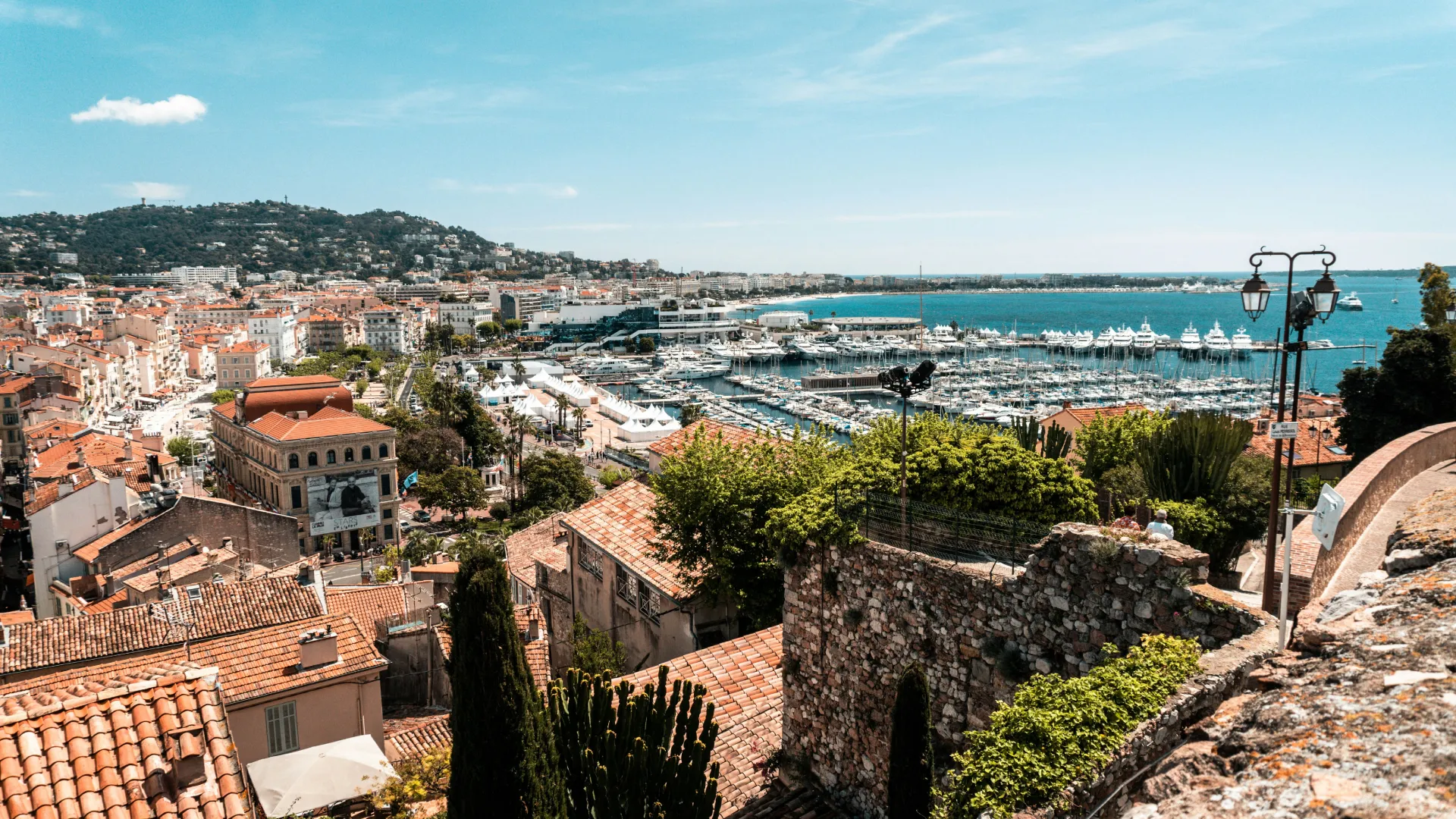
Purchasing property in Portugal, particularly in the Algarve, has long been an attractive prospect for international buyers. The region’s stunning coastline, pleasant climate, and high quality of life make it a sought-after destination. At Fine & Country Algarve, we specialize in guiding foreign investors through the process of acquiring luxury properties in this beautiful region.
Legal Framework for Foreign Buyers
Portugal offers a welcoming environment for foreign property investors. There are no legal restrictions based on nationality; non-residents have the same rights as Portuguese citizens when purchasing property. This openness has contributed to a robust and transparent real estate market.
Key Legal Requirements:
Fiscal Number (NIF): All buyers must obtain a Número de Identificação Fiscal (NIF), a tax identification number necessary for legal and financial transactions in Portugal.
Portuguese Bank Account: While not mandatory, opening a local bank account is advisable to facilitate payments related to the property purchase and ongoing expenses.
The Buying Process
The property acquisition process in Portugal is straightforward but involves several critical steps:
Property Search: Engage a reputable real estate agency, such as Fine & Country Algarve, to identify properties that meet your criteria in prime locations like Vilamoura, Loulé, Carvoeiro, Lagos, Albufeira, the Golden Triangle (Almancil), Silves, Olhão, and Boliqueime.
Legal Representation: Hire an independent lawyer experienced in Portuguese real estate law to conduct due diligence, including verifying property titles and checking for any encumbrances.
Promissory Contract (Contrato de Promessa de Compra e Venda): Once terms are agreed upon, both parties sign this preliminary contract, which outlines the conditions of the sale and typically requires a deposit.
Final Deed (Escritura Pública de Compra e Venda): The transaction is finalized in the presence of a notary, who ensures all legal requirements are met before the property is officially transferred to the buyer.
Financing Options
While many foreign buyers opt for cash purchases, obtaining a mortgage in Portugal is also possible:
Mortgage Availability: Portuguese banks offer mortgages to non-residents, generally financing up to 70% of the property’s value.
Interest Rates: Rates are competitive, but terms vary, so it’s essential to compare offers from different lenders.
Documentation: Lenders typically require proof of income, credit history, and an assessment of existing debts.
Tax Considerations
Understanding the tax implications of your property purchase is crucial:
Property Transfer Tax (IMT): This tax is levied on property purchases, with rates varying depending on the property’s value and type.
Stamp Duty (Imposto de Selo): A standard rate of 0.8% of the property’s purchase price applies.
Annual Property Tax (IMI): Municipal property tax rates range from 0.3% to 0.45% of the property’s taxable value.
Capital Gains Tax: Non-residents are subject to a flat rate on any capital gains realized from selling Portuguese property.
Consulting a tax advisor familiar with Portuguese taxation will help optimize your investment and ensure compliance.
Residency and Golden Visa Program
While property ownership does not automatically confer residency, Portugal offers several visa options for non-EU citizens:
Golden Visa Program: Historically, this program granted residency to investors meeting specific criteria, including real estate investment. However, as of October 2023, real estate is no longer an eligible investment type for the Golden Visa. citeturn0search2
D7 Visa: Suitable for individuals with passive income, this visa requires proof of sufficient funds to support living in Portugal.
Digital Nomad Visa: Designed for remote workers, this visa caters to those employed outside Portugal who wish to reside in the country.
Each visa has specific requirements and benefits; consulting with immigration experts will help determine the best option for your situation.
Practical Considerations
When purchasing property in the Algarve, consider the following:
Location: Each area offers a unique lifestyle. For example, Vilamoura is known for its marina and golf courses, Loulé for its traditional markets, and Carvoeiro for its scenic coastline.
Property Management: If the property is a secondary residence, hiring a local management company can ensure its upkeep and handle rental arrangements if desired.
Currency Exchange: Fluctuations in exchange rates can impact the overall cost. Utilizing forward contracts or consulting currency specialists can mitigate risks.
Purchasing property in the Algarve as a foreigner is a well-established process, supported by a transparent legal framework and a welcoming environment. Partnering with experienced professionals, such as Fine & Country Algarve, ensures a smooth transaction and allows you to fully enjoy the benefits of owning property in this remarkable region.